
Welcome!
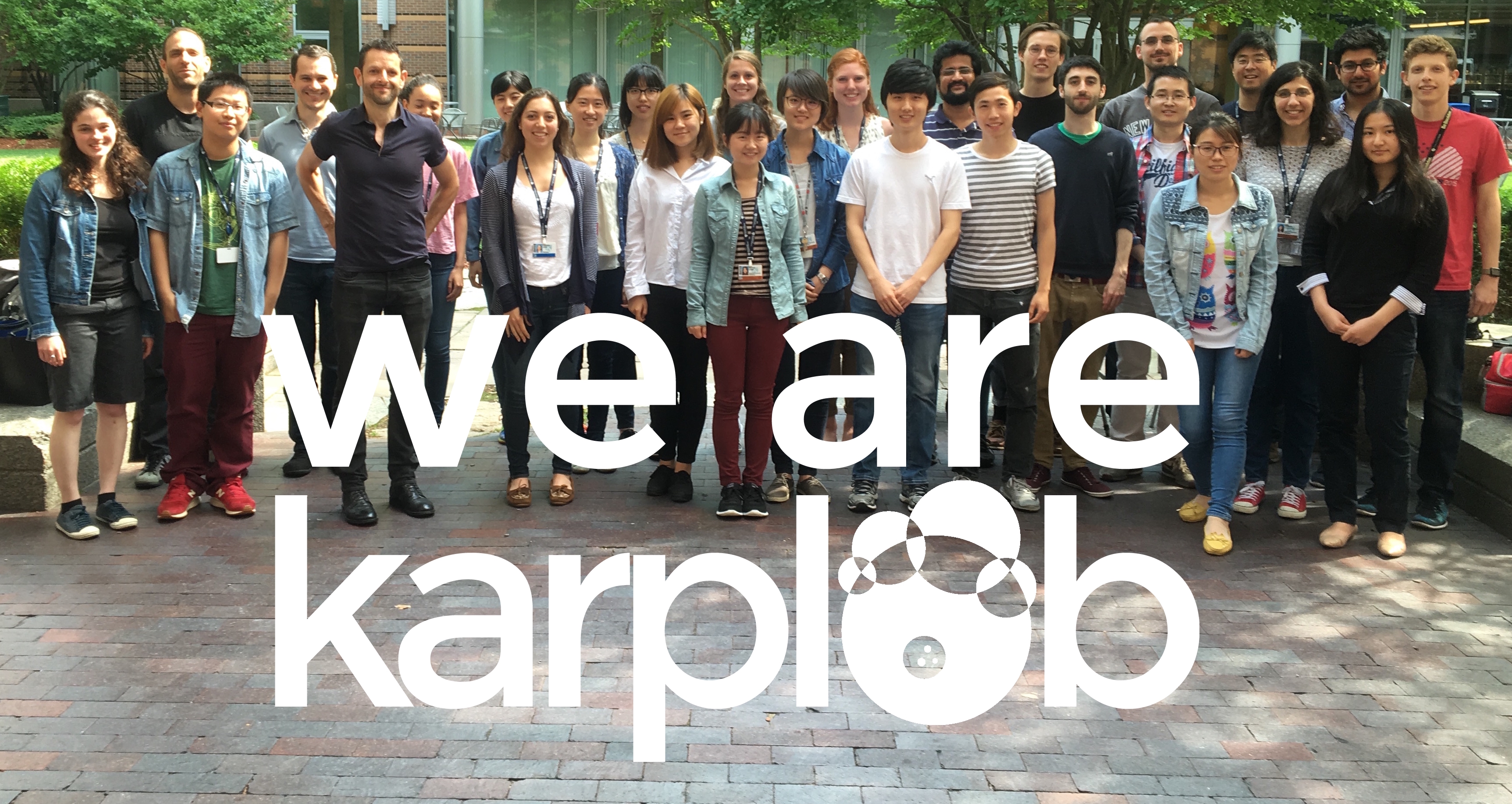
Thank you for visiting! I am dedicated to the development of next generation bioengineers to work at the forefront of regenerative medicine. I take the professional development of the personnel in my laboratory very seriously and do everything I can to ensure successful career paths. My laboratory aims to create advanced biomaterials and devices for therapeutics through a highly multidisciplinary approach.We are a member of the The Department of Anesthesiology, Perioperative and Pain Medicine at Brigham and Women's Hospital.
TRANSLATING RESEARCH INTO IMPROVED PATIENT CARE
Our lab firmly believes that innovation occurs at the interface of disciplines. Hence, we have a diverse, international talent pool, simultaneously working on 20 to 25 different projects. We are focused on the development of platform technology, in order to support a broad range of potential applications. Furthermore, our emphasis on translational research allows us to train the next generation of bioengineers in expanding the boundaries of this exciting field. In recognition of the laboratory’s achievements and contributions to the field, Prof Karp and the lab have been awarded multiple accolades.
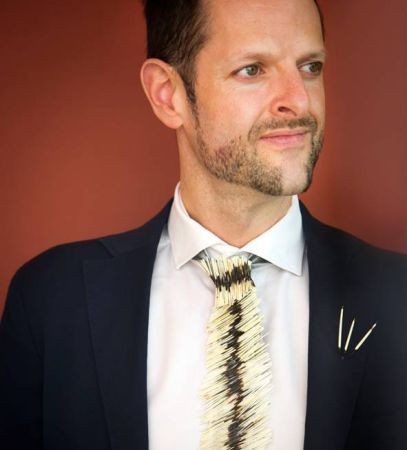
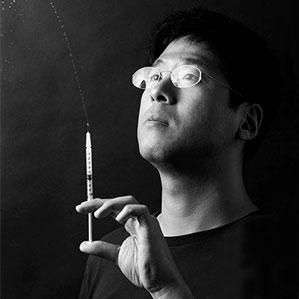




Proudly collaborating with








PAPERS
0
Maximising our impact.
CITATIONS
0
...and counting!
OUR ALUMNI
0
Generating global impact together.
NATIONALITIES
0
Bringing in talent from across the world!